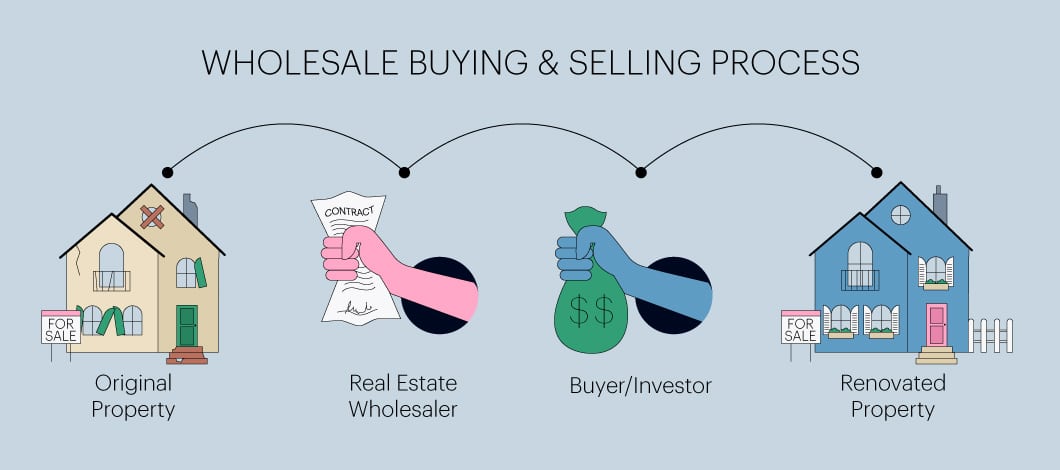
Exploring Cutting-Edge Real Estate Wholesaling Software
Real estate wholesaling software revolutionizes property deals by automating lead tracking and streamlining data analysis, empowering investors to act swiftly and efficiently. This technology unifies diverse tasks such as market research, CRM functions, and deal evaluations into one cohesive platform, saving valuable time. Investors can now monitor market trends, compare comps, and estimate rehab costs with just a few clicks, reducing reliance on spreadsheets and manual data entry. By centralizing critical information, the software helps investors make more informed decisions quickly and confidently. Built-in CRM capabilities facilitate seamless communication among all parties involved in a deal, ensuring no lead is lost. Dynamic dashboards present live metrics that help wholesalers refine their approach and maximize profitability. Overall, embracing real estate wholesaling software represents a strategic move for investors aiming to stay competitive in a fast-paced market.
To learn more about real estate wholesaling software, visit: wholesaling
One of the standout features of this software is its automated lead capture system, which gathers potential deals from multiple channels into a single interface. The platform features robust analytical calculators that provide accurate projections on property values and necessary renovations. Real-time market analytics deliver up-to-date insights on neighborhood trends, pricing, and demand, equipping investors with vital decision-making data. The built-in CRM system organizes all stakeholder interactions, ensuring seamless follow-ups and efficient deal management. Integration with marketing tools allows for automated email campaigns and social media outreach, ensuring consistent engagement with potential leads. Access via smartphones and tablets ensures that real-time updates and deal management remain within reach, regardless of location. Integrating knowledge from that platform provides users with proven techniques to optimize their deal flow and maximize profits.
Advantages Offered by Wholesaling Platforms
The primary benefit is the significant time savings achieved through automation, freeing investors to focus on negotiation and strategy. Accurate analytics help in determining true property values, reducing the risk of costly miscalculations. Streamlined communication tools lead to faster follow-ups and better engagement with both buyers and sellers. Personalized reporting tools ensure that wholesalers can track progress and quickly adapt to market changes. Consistent engagement through scheduled communications drives higher conversion rates and steady deal flow. Mobile accessibility ensures that investors remain connected to their operations regardless of location, enhancing responsiveness. Overall, these benefits collectively translate into increased efficiency, higher profits, and a more competitive edge in the real estate wholesaling market.
Automation cuts down on time and resources spent on repetitive tasks, yielding cost savings. Enhanced data accuracy directly impacts profitability by ensuring that every deal is evaluated based on reliable metrics. Better CRM tools build trust and loyalty among clients, driving sustainable business growth. The speed and responsiveness enabled by real-time updates ensure that opportunities are not lost due to delays. With integrated marketing automation, the cost per lead often decreases as campaigns run more efficiently and effectively. On-the-go access ensures that even when away from the desk, opportunities are pursued without delay. All these factors, when combined, culminate in a powerful return on investment that reinforces the strategic value of adopting real estate wholesaling software.
Guidelines for Picking the Best Wholesaling Software
Start with a thorough analysis of your processes to determine which software features will offer the most benefit. Prioritize platforms with intuitive designs that facilitate easy adoption by your team. Compatibility with your other digital tools is essential for maintaining efficiency and reducing redundant tasks. Choose a platform that offers flexible upgrade options to accommodate future expansion. Weigh the financial investment against the anticipated efficiency gains and profit increases. Reviews and recommendations from industry peers can provide valuable insights into the software's performance and reliability. Utilize trial periods to ensure the software meets your expectations and integrates well with your operations.
After narrowing down your choices, assess customer support and training resources offered by the vendor to ensure smooth operation. Ensure the vendor has a history of maintaining high system availability and prompt issue resolution. Security features, including data encryption and access controls, should be top priorities to protect sensitive information. Look for platforms that offer configurable options to adapt to your workflow preferences. Consider established providers with a strong history in the real estate technology space. Review testimonials and documented results from peers to understand real-world benefits. Ultimately, the best choice will be the one that aligns with your strategic goals, offering a balance of functionality, ease of use, and robust support that drives long-term success.
Implementation Strategies and Best Practices
Successful implementation of real estate wholesaling software requires a well-structured plan that outlines each phase from setup to full operation. Start with an assessment of your operational gaps to ensure the platform addresses your most pressing needs. Invest in comprehensive training for your team, utilizing available tutorials, webinars, and support resources. Establish clear metrics for success, such as reduced lead response time, increased conversion rates, and streamlined deal closures. Maintain open communication channels with the vendor to quickly resolve any technical issues or usability challenges. Promote a culture of open feedback to ensure the platform evolves with your business needs. Regular audits and process reviews ensure the system remains aligned with your strategic goals.
Keep detailed records of procedures, customizations, and troubleshooting tips for easy reference. Align the new software with your existing systems, ensuring smooth data transfer and minimal disruption to ongoing operations. Schedule regular review meetings to assess progress, identify challenges, and celebrate early successes that validate the implementation strategy. Utilize pilot programs to test specific features before a full-scale rollout, minimizing risk and ensuring system stability. Focus on building a seamless workflow that naturally incorporates the software’s automation and reporting features into daily operations. Make full use of available support forums and training resources to maximize software potential. Ultimately, a thoughtful implementation strategy lays the foundation for long-term success, transforming operational efficiency and driving superior investment outcomes.
Tracking Performance to Drive Long-Term Success
Measuring the return on investment from real estate wholesaling software involves tracking key metrics such as deal conversion rates, time saved, and overall profitability. Live performance data helps identify bottlenecks and areas where further optimization is needed. Frequent evaluations help fine-tune the platform to better serve evolving business requirements. Customizable reports break down the data into actionable insights, guiding strategic pivots when necessary. Efficiency metrics confirm that reducing manual labor correlates with increased deal flow and profit margins. Collecting insights from all stakeholders ensures that the benefits of the system are fully realized and sustained. Ultimately, continual optimization based on measurable outcomes fosters a culture of ongoing improvement, ensuring that the software remains a valuable asset for long-term growth and competitive advantage.
Discover more about real estate wholesaling software, visit: wholesaling properties
Ongoing optimization begins with setting clear performance targets that align with your strategic goals and operational capacities. Schedule consistent meetings to review performance metrics and brainstorm ways to better leverage the software’s capabilities. Apply split-testing methods to refine processes and ensure that every automated function works at its optimum. Stay informed about the latest updates and integrate new functionalities as they become available to boost performance. Commit to regular training sessions that update your team on best practices and new functionalities. Continuously compare external benchmarks with internal performance to drive timely optimizations. In the end, a proactive approach to measuring and optimizing ROI not only enhances current performance but also secures a robust foundation for future expansion and success in real estate wholesaling.
Final Thoughts on Real Estate Wholesaling Software
In conclusion, these platforms not only simplify complex processes but also empower wholesalers to achieve greater success in a competitive market. As the industry evolves, continuous improvements in automation, analytics, and integration will further solidify the role of software as a cornerstone of modern wholesaling. Embracing innovation today will pave the way for sustained growth and success in the future. Sustained success will require ongoing training, performance measurement, and agile strategy adjustments in response to market trends. In an environment of constant change, the adaptability of digital platforms ensures resilient and responsive operations. The synergy between tech advancements and real estate expertise will further enhance the value of these platforms. In summary, the future of real estate wholesaling lies in the effective integration of sophisticated software solutions that drive efficiency and profitability.